Choosing between Cyprus’s three most popular villa destinations is hard when each coast promises something different, so this guide breaks down what each one actually delivers. Cyprus villas come in three distinct flavors: Paphos draws travelers with its archaeology and harbor town character, Limassol caters to those who want a marina, nightlife and city conveniences on the doorstep, and Protaras is built around shallow, family-friendly beaches. The right choice depends less on price and more on the kind of holiday you picture.
Below, we compare the three coasts in detail: what each area offers, when to book and what you can expect to pay, and how to decide between them. We also cover practical logistics, from which airport serves which coast to how far apart the towns actually are. By the end, you should be able to match the right coast to your Cyprus villa stay with confidence.
Why Cyprus Villas Split Three Ways
Cyprus is small enough that its villa market behaves like three separate destinations rather than one. The stock clusters on three distinct coasts: the historic west around Paphos, the central south around Limassol, and the family-oriented east around Protaras. Each has developed its own character, its own villa types and its own typical guest.
Three coasts, three kinds of traveler
The west coast around Paphos draws culture seekers, with archaeology, harbor towns and wine villages within short drives. Limassol, in the middle of the south coast, suits city-lovers who want restaurants, a marina and nightlife close to their pool. Protaras, on the east coast, is built around beach-first families, with shallow bays and purpose-built villas a short walk from the sand.
One base, the whole island
Here’s the good news: the island’s compact size means you don’t have to choose perfectly. Base yourself in one villa and you can still day-trip across the island, whether that’s a mountain drive into the Troodos, a morning at an ancient site or an afternoon on a different stretch of coast. Your choice of coast matters less for what you can reach and more for what you see every day from your terrace.
Paphos Villas: Archaeology, Harbour Towns and Quiet West-Coast Sunsets
Paphos is the coast for couples and culture-focused travelers. The town itself holds UNESCO-listed archaeological sites, a working harbor and a old town worth an evening’s wander, while the wine villages of the hills beyond sit within short drives of most villa rentals. If your ideal day mixes a morning at ancient mosaics with an afternoon by the pool, this is your coast.
Where the villas sit
Villa stock clusters around Coral Bay and the hillside village of Peyia, both a short drive from Paphos town. Properties higher up the slopes command higher rates in exchange for sweeping sea views, while those closer to Coral Bay trade views for walkable access to beaches, tavernas and small shops. Check the exact position on a map before booking, because “near Coral Bay” can mean anything from a five-minute stroll to a ten-minute drive.
The sunset advantage
The west coast faces the evening sun, and this is a genuine draw rather than a marketing line. A west-facing terrace means poolside evenings with the sun dropping straight into the sea, night after night. When comparing listings, prioritize villas that mention sunset orientation or a west-facing terrace.
The trade-off: Paphos has fewer large resorts and less lively nightlife than the other two regions. That quietness is exactly why many couples choose it, but travelers wanting bars and clubs until late should look east or south.
Limassol Villas: Marina Living, Nightlife and City Convenience
Limassol is the coast for travelers who want everything on tap. Restaurants, a marina, shopping and nightlife all sit within a 15-minute drive of a private pool here, which no other region on the island can match. If you like the idea of a quiet villa but refuse to spend evenings driving twenty minutes for a good dinner, this is your base.
Where the villas sit
Villas sit in suburbs like Agios Tychonas and Germasogeia, both just east of the city center. The best properties mix hillside views over the coast with reasonable beach proximity, so you get a sense of retreat without losing the city. Agios Tychonas tends toward larger hillside homes, while Germasogeia puts you closer to the tourist strip and its amenities.
The practical middle ground
Limassol’s central location on the south coast makes it the most practical base for exploring the island. Paphos and its archaeology lie about 60 km to the west, roughly a one-hour drive, while the Troodos Mountains rise directly inland, close enough for a half-day of mountain villages and wineries. From either of the other two coasts, these trips take noticeably longer.
The trade-off: beaches here are generally coarser and less swimmable than Protaras’s sandy bays. Limassol’s shoreline works fine for a quick dip, but if your holiday revolves around children playing in shallow water all day, the east coast serves you better.
Protaras Villas: Sandy Bays and Shallow Water for Families
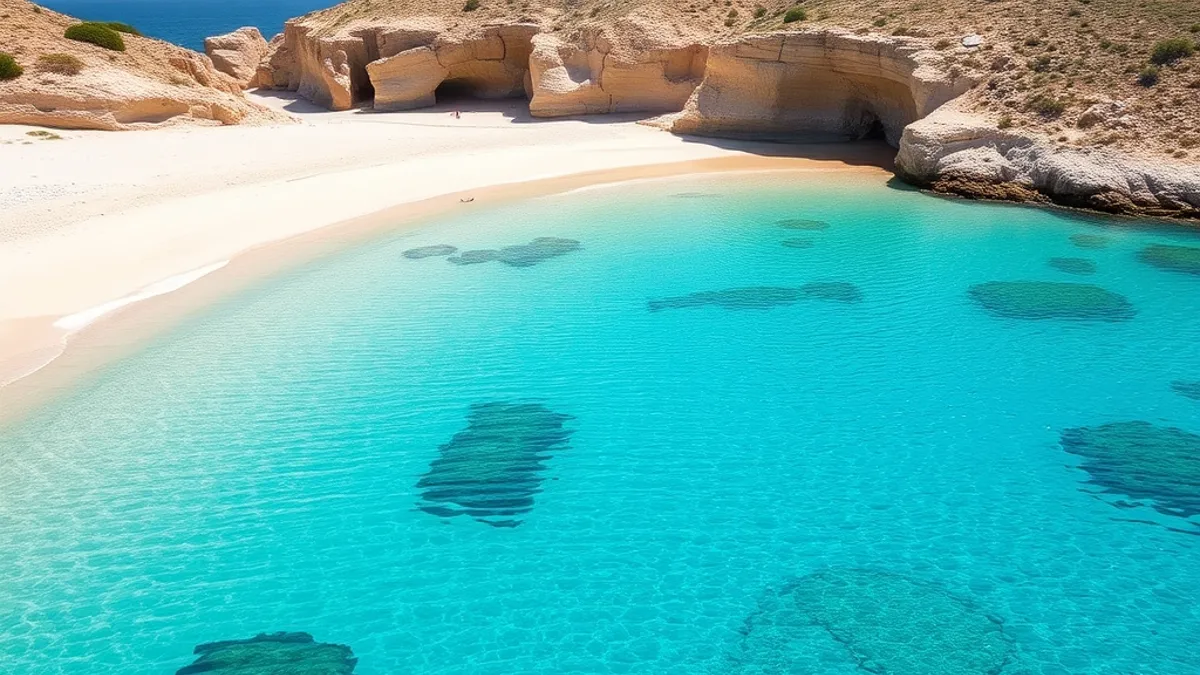
If your ideal Cyprus day ends with sandy feet, an ice cream and children who actually slept on the beach, Protaras is your coast. The eastern shoreline around Fig Tree Bay is famous for shallow, gently shelving water, which means toddlers can splash safely while you keep one eye on them and the other on the horizon. Neighboring beaches share the same calm character, so you can vary your days without losing the family-friendly feel.
The villa stock here reflects the clientele. Most properties are modern and purpose-built rather than converted farmhouses, and many come with private pools just a short walk from the coast. Expect open-plan living areas, shaded terraces and layouts that work well for two families sharing or grandparents traveling with grandkids.
Easy arrivals and a seasonal rhythm
One practical advantage is the transfer. Larnaca airport is the nearest gateway at roughly 65 km, making it the shortest airport run of the three regions — a real plus when you are managing car seats, luggage and tired children.
The trade-off comes out of season. The resort strip is built around summer visitors, and many venues close between November and March. Visit in winter and you will find the beaches beautiful but the atmosphere quiet, with limited dining options nearby.
When to Book Cyprus Villas and What You’ll Pay
Cyprus villa pricing follows the sun. Peak season runs through July and August, when weekly rates often climb 40-60% above shoulder-season levels. Demand is highest precisely when the weather is hottest, so families locked into school holidays pay a clear premium for the same property. If your dates are flexible, shifting even one week outside the peak window can bring the same villa back into reach.
The shoulder months are where savvy travelers win. May, June, September and October combine warm days with noticeably lower prices and thinner crowds. The sea is generally swimmable from May to October, with temperatures peaking around 27°C in August, so an October swim is far from a brave decision. Evenings can be cooler early and late in that window, so check whether your villa includes heating for the pool before you book.
Timing your booking matters as much as timing your trip. Reserve peak-season villas 4-6 months in advance to have real choice; shoulder-season dates can safely wait until 2-3 months out. Late availability deals do appear, but hoping for one in August is a gamble rather than a strategy.
It also pays to read what a rate actually includes. Some owners quote a base price and add cleaning fees, air conditioning or a refundable damage deposit on top, so compare the final total rather than the headline figure.
- Villa size drives the range: a simple two-bedroom in shoulder season typically starts around €800 per week, while large seafront properties with pools can exceed €4,000 for a week in August.
- Seafront adds a premium: properties directly on the coast command noticeably higher rates than equivalent villas a few streets inland.
- Shoulder-season value compounds: because prices are lower and availability better, you can often afford a larger property or longer stay for the same budget as one peak week.
How to Choose Between the Three Coasts
Start with your priority, not the property. If archaeology, harbor towns and west-facing sunsets top your list, Paphos fits. If you want city energy, dining and a marina within easy reach, choose Limassol. If your days will revolve around sandy bays and shallow water with kids, Protaras is the clear match. Deciding this first saves you from falling in love with a villa that sits in the wrong region entirely, which is the most common mistake first-time visitors make when booking Cyprus.
Next, factor in the airport. Fly into Paphos for the west coast and Larnaca for the east; Limassol sits between the two, so it works with either airport. Check drive times if day trips are part of your plan: Paphos to Limassol is about 60 km, roughly an hour on the highway, while Limassol to Protaras runs about 100 km, around 1.5 hours. That compactness is a real advantage — you can base yourself anywhere on the coast and still reach the Troodos Mountains, wine villages or a different beach within a morning’s drive.
Once you have narrowed the region, the details of the property itself matter more than the listing photos suggest. A few practical checks worth making before you commit:
- Compare terrace orientation in Paphos: a west-facing terrace catches the evening sun over the sea — worth filtering for, since not every sea-view villa faces the sunset.
- Check walking distance in Protaras: a genuine walk-to-beach location means no daily parking hassle or car shuffle with beach gear and children.
- Ask about parking and access: hillside villas in Limassol and Peyia can have steep drives; confirm access if you are renting a larger vehicle.
The Right Coast for Your Cyprus Villa Stay
So which coast should you pick? Choose Paphos if ancient ruins and evening light over the water are what draw you in. Pick Limassol if you want dining, nightlife and a marina a short drive from your private pool. And if your priority is soft sand and safe paddling for young children, Protaras is the obvious fit.
Then think about timing. The shoulder months of May, June, September and October strike the best balance between warm weather and lower rates, while booking 4-6 months ahead gives you the widest choice of peak-season villas. Whichever coast you settle on, Cyprus’s compact size means the island’s other highlights stay within easy reach. If this guide helped you decide, leave a comment below or share it with a fellow traveler.