Coastal glamping in Cornwall sounds simple until you start planning it. The county has nearly 300 miles of coastline, and glamping sites are scattered across working farms, clifftop fields and quiet valleys from Bude down to Whitsand Bay. Pick the wrong area and you could end up an hour’s drive from the beaches you came for; pick the wrong month and you might face crowds, high rates or sites that have closed for winter.
This guide breaks the decision down into manageable parts. We compare the north coast, the south coast and West Penwith so you can match an area to your travel style, then walk through the best months to go, when to book, what you should expect to pay and how to choose between sites. Whether you want surf mornings in Polzeath or sheltered estuary walks near Helford, you’ll finish with a clear plan for your trip.
Why Coastal Glamping in Cornwall Works
Glamping solves a problem that has long frustrated Cornwall visitors. Traditional camping puts you right on the coast, but exposed clifftop tents, thin airbeds and unpredictable weather can wear thin after a night or two. Coastal hotels put a roof over your head, but sea-view rooms in popular villages get expensive fast, especially in summer. Glamping sits comfortably in the middle: you get a real bed, solid walls or canvas, and often wood-burning stoves, while paying well below hotel rates for a location just as close to the water.
What you can actually stay in
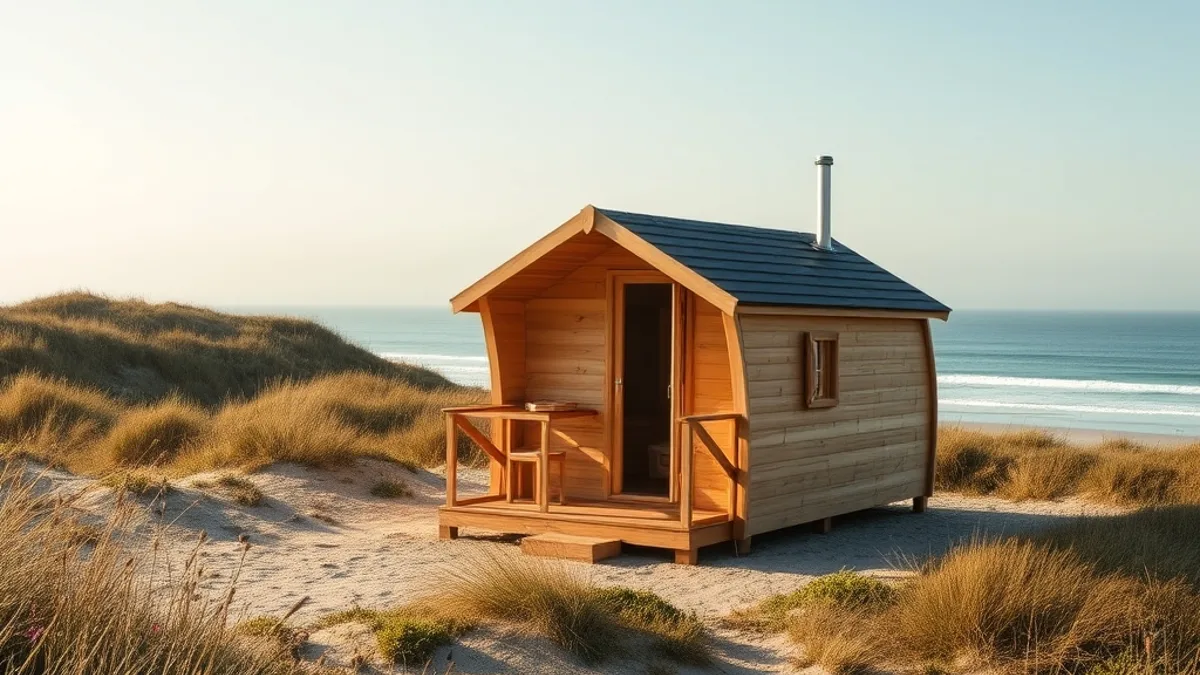
The choice is wider than most people expect. Safari tents offer space and proper kitchens, pods give you a weatherproof lock-up for short breaks, yurts bring a round, cozy feel, and shepherd’s huts suit couples who want something compact and private. Many of these units sit within walking distance of the South West Coast Path, which wraps roughly 300 miles around the county, so you can often leave the car parked and start your walk from your tent door.
Another advantage is the setting. A large share of Cornwall’s glamping sites operate on working farms a field or two inland from the sea. That means you get countryside with grazing animals and footpaths, yet the beach is still a short stroll or drive away. It’s a combination that neither a clifftop campsite nor a town-center hotel can really offer.
The Best Areas for Coastal Glamping in Cornwall
Cornwall’s north and south coasts feel like two different counties, and the right choice depends on what you want from your days. The north coast faces the Atlantic head-on: bigger waves, taller cliffs and a busier summer buzz around the surf towns. The south coast is softer, with wooded estuaries, sheltered coves and gentler walking. West Penwith, out at the far tip near St Ives and Land’s End, delivers the most dramatic scenery of all, though the trade-off is a smaller pool of glamping sites and heavy competition for the ones that exist.
If you’re new to glamping and want a sense of what a well-run site feels like, it can help to read a detailed first-hand account such as this review of a glamping stay in Castel Volturno, Italy before comparing Cornwall options.
- Bude works well for mixed groups: a proper town for supplies and rainy afternoons, plus a sandy beach with a canal and grassy dunes right behind it.
- Polzeath suits beginner surfers, with a gently shelving beach and surf schools operating through the warmer months.
- St Agnes gives you a quieter village base with mining-era cliffs and coastal walks on the doorstep.
- Falmouth combines sheltered water with a proper harbor town, handy for boat trips and eating out.
- The Helford area offers wooded creek-side walking that feels a world away from the open Atlantic shore.
- Whitsand Bay delivers a long, steep-backed stretch of sand that rarely feels crowded, even in summer.
The short version: pick the north coast for beach days and surfing, the south coast for sheltered family trips, and West Penwith if scenery matters more to you than choice and availability.
When to Go: Seasons and Timing
Timing shapes a Cornwall glamping trip more than almost any other decision, because the county’s sites often close or scale back outside the warmer months. The good news is that the sweet spots are predictable.
The shoulder-season sweet spot
May and June are arguably the best months of the year. You typically get 6-8 hours of daily sunshine, school-term crowds are thin, and shoulder-season rates usually run £80-£150 per night. The water is still cool, but the weather-to-crowds ratio is hard to beat, and sites that fill up in summer often have midweek availability at short notice.
Peak season and the case for September
Late July to late August is peak season. Rates climb to roughly £150-£300 per night, sites are at their busiest, and minimum-stay rules are common. The reward is the sea: temperatures peak around 17-18°C in August, the warmest it gets for swimming. If you want warm water without the crowds or the top prices, September is the standout month. The sea holds its summer warmth, the beaches empty out, and value is the best of the year.
From October through March, most glamping sites close or run with limited facilities, so winter trips generally aren’t realistic for this style of stay. If a cold-season visit matters to you, check directly with individual sites rather than assuming they’re open.
How to Book and When to Reserve
Glamping sites in Cornwall are small, and the best coastal pitches sell out long before the summer starts. Booking well ahead matters far more here than it does for hotels, because a site with a dozen units can be full within weeks of opening its calendar. A little planning makes the difference between a sea-view safari tent and a pitch tucked behind the shower block. It also affects your wallet: the most sought-after units rarely see last-minute discounts, while flexible travelers who book early can often pick the cheaper midweek slots before anyone else claims them.
- Book peak season 6-12 months ahead. Late July to late August is the crunch window, and clifftop and sea-view pitches go first. If you have your heart set on waking up to the ocean, reserve as soon as the site releases its dates, and double-check the cancellation terms in case your plans shift.
- Give shoulder-season trips 2-4 months of lead time. May-June and September stays are much easier to arrange, and midweek nights are the simplest of all to find. If your dates are flexible, aim for Monday to Thursday and you will usually have a wider choice of units.
- Check minimum-stay rules before you commit. Many sites require 3-7 nights during school holidays, which can rule out a short break at the busiest time of year. Read the booking terms carefully so you are not surprised at checkout.
- Confirm exactly what is included. Heating, bedding and firewood vary widely between pods and tents, and some sites charge for each separately. A quick message to the owner before booking saves awkward packing later.
One final habit worth adopting: set a reminder for when your chosen site opens its bookings for the following year. The most popular coastal units often fill within days of release, especially for school holiday weeks. If you miss out, ask to join the site’s waiting list or cancellation list, since plans change and sea-view pitches do reappear. A polite email to the owner can also get you flagged as a returning guest for next season, which makes future bookings noticeably easier.
What Coastal Glamping Costs in Cornwall
Glamping in Cornwall sits in a sweet spot price-wise: less than a seafront hotel, more than a basic tent pitch on a campsite. But the nightly rate you see advertised is only the starting point, and it swings sharply with the seasons. The same safari tent can cost dramatically more in late July than it does in May, so compare like with like when browsing sites.
The real budgeting work happens with the extras, and these catch people out more often than the headline rate does.
- Hot tubs carry a premium. Units with a private wood-fired or electric hot tub usually sit at the higher end of their season’s price band, and some sites charge a separate fee to heat and prepare it before your arrival.
- Firewood is often sold on site. If your pod has a log burner, bundles typically cost a few pounds each, and you will want more than one on a breezy coastal evening.
- Dog fees add up quietly. Many sites welcome pets but charge a per-stay fee, and a handful restrict dogs to certain units, so check before booking rather than at the gate.
- Bedding and heating are not always included. Some pods come fully made up, others expect you to bring duvets or pay for linen, and heating can be metered or coin-operated.
- Midweek stays are the biggest money-saver. A Monday-to-Friday booking in shoulder season can cut costs by around 20-30% compared with the same nights at a weekend.
When comparing sites, always work out the total for your stay rather than the headline nightly rate. Extras, cleaning fees and minimum-stay rules can shift the final bill more than the difference between two sites’ advertised prices. A slightly pricier pod with bedding, firewood and towels included often works out cheaper than a bargain-sounding tent where everything is added on separately.
How to Choose the Right Site
The difference between a good coastal glamping trip and a disappointing one usually comes down to the site itself. Two pods can look identical online yet offer completely different experiences once the wind picks up or the rain rolls in off the Atlantic. Knowing what to check before you book saves a lot of frustration.
Location and weather-proofing
Start with the map. Check the walking distance to the coast path and the nearest beach, and aim for a site under 1 mile from both. Because the coast path runs for roughly 300 miles along Cornwall’s shoreline, even a modestly placed site can put a spectacular stretch within easy reach. Then look closely at the facilities photos: covered communal areas and indoor cooking matter enormously, because coastal weather changes fast and a wet evening is far more pleasant with somewhere dry to sit and cook.
Read recent reviews with wind exposure and noise in mind, especially on exposed north-coast clifftops around Bude, Polzeath and St Agnes. A site that feels romantic in June can feel battering in a south-westerly, and reviewers will usually say so honestly.
Matching the site to your group
Families should prioritize sites with good showers, laundry facilities and play areas, since sandy children generate an endless amount of laundry. Couples can trade those facilities for seclusion, and smaller shepherd’s huts on quiet farms often deliver far better views for the money. For a sense of what a well-run family site feels like, it is worth reading a detailed glamping site review before you choose.
Planning Your Cornwall Glamping Trip
Choosing where and when to go glamping on the Cornish coast comes down to three simple decisions. First, pick your area: the north coast around Bude, Polzeath and St Agnes suits surfers and beach lovers, the south coast around Falmouth, Helford and Whitsand Bay works best for calm, family-friendly trips, and West Penwith delivers the most dramatic scenery if you book early enough. Second, aim for May-June or September, when you get the best balance of sunshine, quieter sites and lower rates.
Third, match the booking window and site type to your plans. Peak-season stays, especially sea-view units, need reserving 6-12 months ahead, while shoulder-season trips come together in a few months. Then choose a pod, yurt or safari tent that fits your group size and budget. With those choices made, the rest is easy. If this helped you plan your trip, leave a comment or share the article with a fellow traveler.