Dreaming of waking up in a bell tent a short drive from Durdle Door? Jurassic coast glamping sounds perfect, but there’s a catch: Dorset offers several very different bases, from busy Weymouth to quiet inland farmland, and picking the wrong one can shape your whole trip. Add the question of timing, since July crowds and prices are a world away from a calm September evening, and it’s easy to feel stuck before you’ve booked anything.
This guide breaks the decision down. We’ll look at why this stretch of coast works so well for glamping in the first place, then compare the main base areas: Weymouth and Chesil Beach, Bridport, West Bay and the Marshwood Vale, and Lulworth with the Isle of Purbeck. We’ll also walk through the best seasons for weather, value and availability, share practical tips on booking, budgeting and checking site facilities, and finish with a simple plan for putting it all together. By the end, you should know exactly where and when to pitch up.
Why the Jurassic Coast Works So Well for Glamping
The Jurassic Coast stretches 95 miles from Studland in the east to Exmouth in Devon, and Dorset holds the most celebrated stretch of it. What makes the landscape special is the variety packed into one shoreline: sandy beaches, towering chalk cliffs, fossil-rich rock ledges and dramatic shingle banks, all backed by quiet green farmland that most visitors never explore. You can spend the morning hunting for fossils on the beach and the afternoon walking a country lane without seeing another soul.
Small sites, real countryside
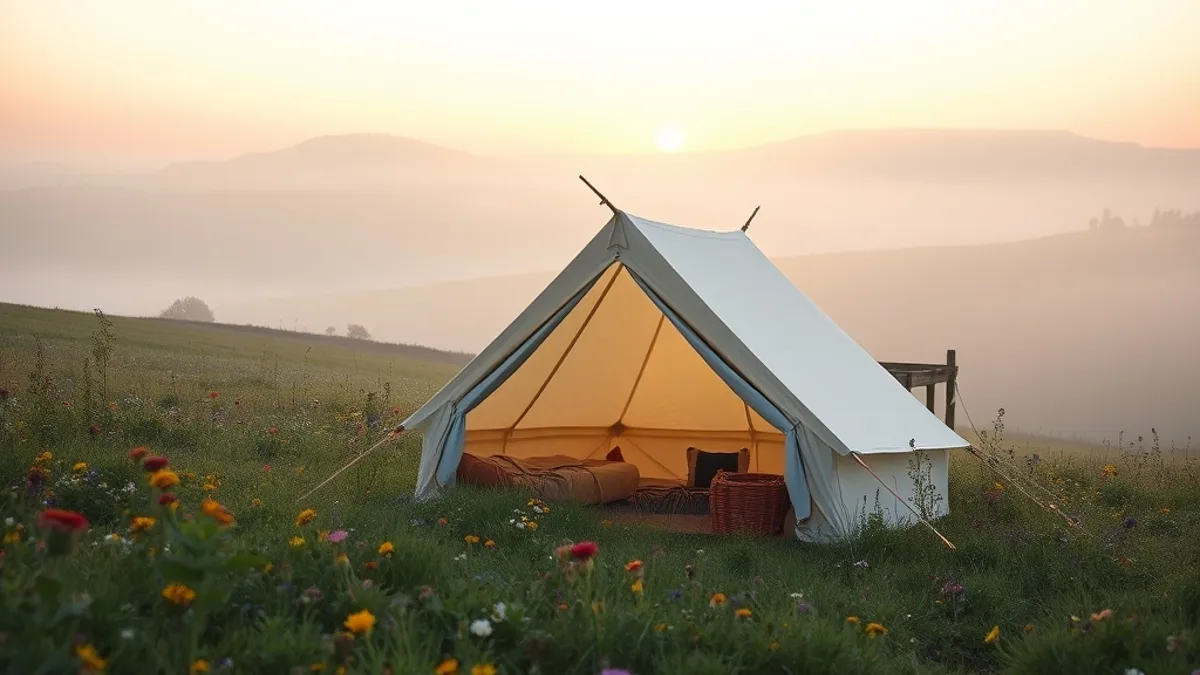
Glamping here has a distinctly rural character. Instead of big resort parks with entertainment complexes, you’ll typically find safari tents, bell tents and shepherd’s huts set in fields and on small farm campsites. Expect sheep in neighboring paddocks, dark skies at night and owners who often live on site. It’s a style of stay that suits travelers who want the coast by day and genuine countryside calm by evening.
Location is the other big advantage. Most glamping sites sit within a short drive of headline sights like Durdle Door, Lulworth Cove and Chesil Beach, so you can base yourself in one quiet field and still reach the coast’s most photographed landmarks in twenty minutes or so. That combination of pastoral settings and easy access is exactly what makes Dorset such a strong glamping destination.
Weymouth and Chesil Beach: The Classic Base
Weymouth is the obvious starting point for first-time visitors to the Jurassic Coast, and for good reason. The town has a proper sandy beach right in the center, a working harbor lined with places to eat and drink, and the widest choice of eateries of any base in Dorset. If you want the option of fish and chips on the seafront one night and a decent restaurant the next, Weymouth delivers more easily than anywhere else on this coast.
Toward Chesil Beach and Portland
Head out of town and the character changes fast. Glamping sites toward Chesil Beach and Portland suit walkers and anyone chasing dramatic shingle-and-cliff scenery. The 18-mile shingle bank backed by cliffs is one of the wildest views in southern England, and the paths around Portland give you big, open coastal walking without the postcard crowds of the eastern landmarks. If your ideal day is boots-on early and a quiet evening after, this fringe of the Weymouth area is the better pick.
One practical note: this is the most price-sensitive of the Dorset bases. Summer demand here is high, and rates for glamping sites reflect that, especially for peak-season weeks in July and August. If Weymouth is your pick, compare sites carefully and book early rather than hoping for a late bargain. Standards also vary a lot between operators, so check what’s actually included before you commit; a review of glamping in Castel Volturno, Italy shows the kind of detail worth checking, from bedding to bathroom facilities.
Bridport, West Bay and the Marshwood Vale
Few spots on the Jurassic Coast are as instantly recognizable as West Bay. The golden cliffs, the compact harbor and the broad shingle beach make it the area’s headline draw, and it’s a lovely place to spend a morning watching fishing boats come and go. Add Bridport just up the road, with its foodie, artsy market-town feel, independent shops and regular markets, and you have a base with real personality rather than generic seaside.
The quiet of the Marshwood Vale
Inland, the Marshwood Vale offers the quietest and most pastoral glamping settings in Dorset. Think rolling green fields, hedgerow-lined lanes and small farm sites where the loudest sound at night is an owl. Despite the rural calm, coast access is easy by car, so you can be on the beach or the South West Coast Path within twenty minutes or so and back for a countryside dinner.
This area suits couples and slow travelers above all. If you want countryside evenings rather than beach-town buzz, long breakfasts in a bell tent and gentle days mixing coast walks with market-town browsing, this corner of Dorset will fit you far better than Weymouth. It’s the kind of landscape that rewards unhurried stays, similar in spirit to the quiet coastal setting we describe in our review of glamping in Combe Martin in the United Kingdom. Come in a shoulder month like May or September and you’ll likely have the golden cliffs almost to yourself.
Lulworth, Durdle Door and the Isle of Purbeck
If you want to wake up close to the Jurassic Coast’s most famous sights, this is the stretch to base yourself on. Durdle Door and Lulworth Cove sit within a few miles of each other near the coast’s midpoint, and glamping sites in the surrounding countryside put both within easy reach. You can be standing on the cliff path above the limestone arch before the day-trippers arrive, then wander back to your tent for a late breakfast.
What the Isle of Purbeck adds
Head east and the Isle of Purbeck layers even more onto the mix. Corfe Castle rises dramatically from a gap in the chalk hills, Swanage keeps its Victorian seaside charm with a sandy beach and old pier, and a heritage steam railway connects the two, which children tend to love as much as adults. It is a rare corner of the coast where ruins, sea views and a working steam line all sit within a short drive of each other.
Because so many headline attractions are packed into a small area, sites here fill fastest in July and August. If a summer trip is on your mind, treat Purbeck and Lulworth as the places to book first. The upside for walkers is real, though: this section links directly into the South West Coast Path, with some of its most scenic cliff-top stretches. Hikers who want to string together several days of walking, with a warm bed in a safari tent or shepherd’s hut at the end of each one, will find Purbeck hard to beat.
The Best Seasons for Jurassic Coast Glamping
Timing shapes a glamping trip along the Jurassic Coast more than almost any other decision. The same tent in the same field can feel like a different holiday in May and in August, both in price and in how busy the coastal paths feel underfoot. The good news is that the season here is generous, and there is a genuine sweet spot outside the school holidays.
July and August bring the warmest weather, with daytime highs of 18-22°C, but they also bring the biggest crowds and the top prices. Durdle Door and Lulworth Cove can feel busy by mid-morning, and the best sites are booked out months ahead. May, June and September are the months locals would choose: the weather stays mild, the evenings stretch long, and availability is far easier to find. April and October suit hardy travelers chasing empty paths and low rates, though nights turn noticeably cooler, typically around 6-9°C, so pack proper bedding and warm layers.
- Sea temperature lags behind the air. Even in the warmest months the water stays bracing, so swimmers usually stick to sheltered spots like Swanage Bay rather than open shingle beaches.
- Spring brings nesting seabirds to the cliffs. In April and May, cliff-nesting colonies at spots along the coast are active, which adds an extra draw for walkers carrying binoculars.
- September often has the calmest sea conditions. The sea holds summer warmth into early autumn, making it a favorite month for kayaking and coasteering trips along the coves.
- Evenings cool fast outside midsummer. In the shoulder months, a site with a firepit or wood-fired hot tub earns its keep once the sun drops, so factor that into your choice.
Booking, Budgeting and Choosing Your Site
A little forward planning goes a long way on the Jurassic Coast, especially in summer. For July and August stays, reserve 3-6 months ahead; the most scenic sites near Lulworth, Purbeck and the coast’s midpoint often fill their peak-season slots first, and the best-located safari tents tend to disappear before anything else. Shoulder-season trips are far more relaxed, and usually need only 4-8 weeks’ notice, though bank holiday weekends behave like mini peak season and deserve the same early booking. If your dates are flexible, shifting a trip by even a week can make a real difference to both availability and price.
As for budget, glamping here typically runs £90-£250 per night for a couple, depending on the season and the type of tent. A simple bell tent in a farm field sits at the lower end, while a large safari tent with a private bathroom and hot tub sits at the top. Family-sized setups cost more, so if you are traveling with children, expect to add a noticeable margin to those figures. Weekday nights are often cheaper than weekends, too, so ask about midweek rates when you enquire.
- Bedding is not always included. Some sites provide made-up beds as standard, while others charge a hire fee or ask you to bring your own sheets and duvets, which changes both your packing and your final cost.
- Wood-fired hot tubs often need pre-booking. At many sites the tub is lit on request or for an extra fee, and slots can be limited, so ask when you reserve rather than on arrival.
- Firepits and campfires vary by site. Some provide a firepit with logs included, others allow fires only off the ground, and a few ban open flames entirely, so check the policy if an evening fire matters to you.
- Dog rules differ widely. Pet-friendly sites may limit numbers, restrict dogs to certain fields or require them on leads around livestock, so confirm the details before booking rather than assuming.
- Bathroom facilities range from basic to private. A shared shower block in a farm field is a very different experience from an en-suite composting toilet in your own hut, so match the setup to your comfort level before you commit.
Wrapping Up Your Dorset Glamping Plan
Choosing where to base yourself is the decision that shapes the whole trip. Weymouth works best if you want classic seaside with a sandy beach and plenty of places to eat, Bridport and the surrounding countryside suit travelers after calm, pastoral evenings, and the Isle of Purbeck is the pick for landmark hunting and hiking. Settle on the area first, then look for a site within it.
Timing comes down to a simple trade-off. May, June and September offer the best mix of mild weather, thinner crowds, easier availability and better value, while July and August demand booking several months ahead and higher rates. Once you have picked your base and season, match the site’s facilities to your needs and let the Jurassic Coast do the rest. If this helped you plan your trip, leave a comment or share the article with a fellow traveler.