If you’ve ever tried to book a lodge for fall foliage season and found nothing but sold-out calendars and eye-watering rates, you already know the problem. The best lodges in leaf-peeping country fill up months ahead of time, and travelers who wait until summer often face inflated prices or no rooms at all anywhere near the most colorful scenery.
The good news is that booking early doesn’t require guesswork. This guide explains why foliage lodges sell out so quickly, how far in advance you should reserve for different types of stays, and how to time your trip around peak color. We’ll also break down what foliage season typically costs and where you can save, how to choose a lodge with the best leaf-viewing access, and which booking policies and cancellation windows matter most. By the end, you’ll have a clear plan for locking in a great room before the best dates disappear.
Why Fall Foliage Lodges Sell Out So Early
Peak color is one of the shortest travel seasons anywhere. In most destinations, the most brilliant display lasts only one to two weeks, which means all the demand for a whole year gets squeezed into a tiny window. Unlike summer, where travelers can spread trips across three months, foliage travelers all want the same handful of weekends.
Lodges near famous foliage regions make this worse by being small. Many have limited room counts, often somewhere between 20 and 60 rooms total. A single popular weekend can therefore sell out with just a few dozen bookings, and once it does, there’s no overflow capacity down the road.
The repeat-guest factor
There’s another layer most first-time visitors don’t see: many of those rooms never reach the open market at all. Repeat guests who return every autumn often rebook the same rooms year after year, sometimes before public availability even opens. Lodges reward this loyalty because guaranteed returning guests are easy business.
The practical takeaway is simple. If you’re browsing a lodge’s website in July and seeing wide-open availability for October, that’s usually not a sign the season is quiet. It’s often a sign the best rooms and dates were claimed long before you started looking.
How Far in Advance to Book a Lodge for Fall Foliage
For peak October weekends at popular foliage lodges, the safe answer is to book 6-12 months ahead. That’s when the widest choice of rooms and dates is still available, and it’s often the only way to get a weekend room with a view at a well-known property. Think of it like reserving a table at a restaurant everyone wants to visit on the same two weekends: the travelers who plan furthest ahead get the best seats. Lodges inside or beside national parks are even tighter: they frequently need 9-12 months of lead time for October stays because demand far outstrips the small number of rooms.
Not every trip requires that kind of planning, though. Midweek stays in early October are much easier to land, and 3-6 months ahead is usually enough for those dates. If your schedule allows a Tuesday or Wednesday arrival, you’ll often find better rooms still open at properties where weekends disappeared long ago. Last-minute openings do appear 2-4 weeks out as travelers cancel, but expect limited choice and full-price rates if you go that route. It can work for spontaneous travelers who don’t care which room they get, but it’s a risky strategy if a specific view or room type is the whole point of your trip.
- Set a calendar reminder for the day bookings open. Many lodges open next year’s calendar in late fall or early winter, and the most requested rooms can be claimed within days of that date.
- Call the lodge directly for park-adjacent properties. Staff can sometimes tell you which dates are already heavily booked and suggest nearby weeks with better availability before you commit online.
- Join the lodge’s email list. Cancellation notifications and early-access offers often go to subscribers first, which matters if you’re hoping for a prime weekend room.
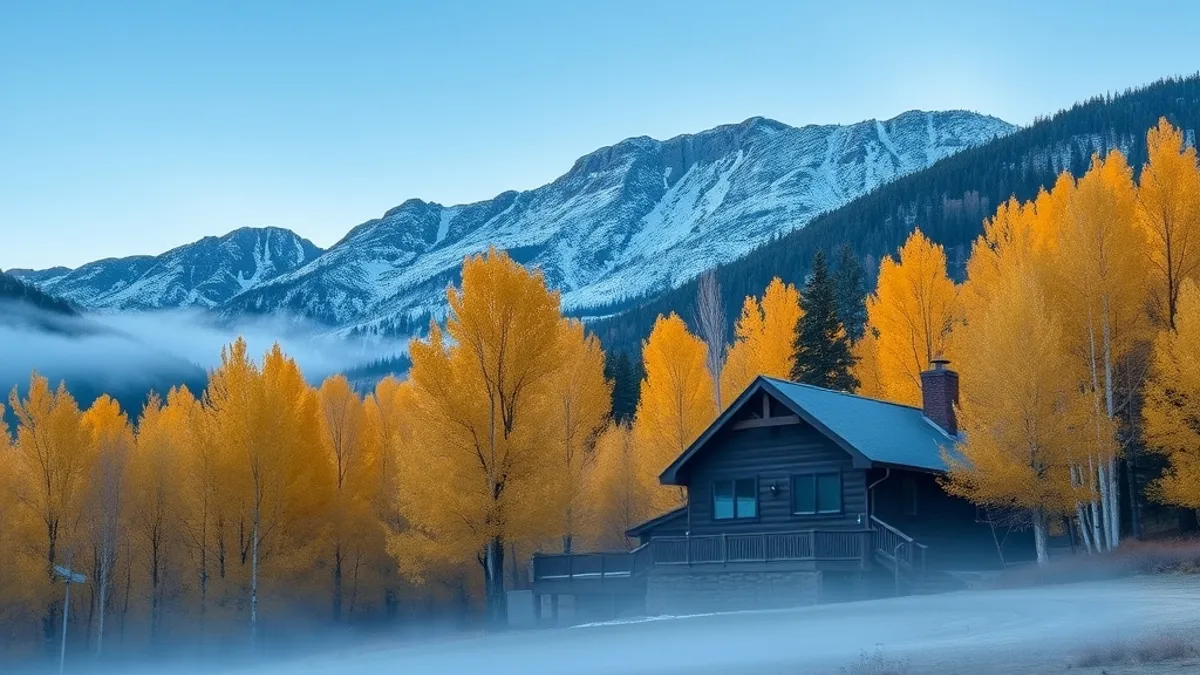
Timing Your Stay Around Peak Color
Peak color doesn’t arrive everywhere at once, and knowing your destination’s rhythm is half the battle. In most northern US destinations and mountain areas, peak fall foliage runs roughly late September to mid-October. Higher elevations turn first, then color works its way down the slopes, so a lodge at 3,000 feet and one in the valley below can peak a week or two apart.
New England’s window
New England is the classic example of a short, intense season. Peak color there typically falls during the first two weeks of October, which is exactly why those dates are the hardest to book and the most expensive. If you’re set on Vermont, New Hampshire, or the Maine lakes region in that window, treat it as a high-demand period and plan accordingly.
The shoulder-week advantage
Here’s a trick experienced foliage travelers use: book the week just before or after local peak color. Color a few days off peak is still beautiful, and you’ll find fewer crowds on the scenic drives and trails. Rates also drop noticeably in those shoulder weeks, and lodges that are fully booked at peak often have plenty of rooms open just before or after it. You sacrifice a little color intensity and gain a lot of breathing room, both in the landscape and in your budget.
What Foliage Season Costs and How to Pay Less
Fall foliage season is peak season in every sense, and the pricing reflects it. At in-demand lodges, expect rates to run roughly 30-50% above what the same rooms cost during quieter times of year. That jump is not a markup for nothing: the lodge has only a couple of short weeks each year to earn most of its revenue, and it prices accordingly.
The good news is that the premium is not uniform across the week. Midweek nights in early October often cost 20-40% less than the equivalent Friday and Saturday stays. If your schedule allows a Sunday-to-Wednesday trip, you can watch the same hillsides for a fraction of the weekend price, often with quieter trails and easier restaurant reservations as a bonus.
Flexibility with dates matters just as much as flexibility with weekdays. Shifting your arrival by even a single weekend, so you land just before or just after the local peak color, can cut rates noticeably. The trees rarely change on a precise schedule anyway, so a week on either side of peak often delivers nearly the same scenery at a gentler price.
- Ask about shoulder-week packages: some lodges bundle midweek stays with extras like guided walks or dining credits to fill the quieter days just outside peak color.
- Compare the cost of two midweek nights against one weekend night; in some cases the midweek pair costs about the same and gives you twice the time on the trails.
- Check whether rates drop for longer stays, since some lodges discount the third or fourth night even during foliage weeks to encourage extended visits.
Choosing the Right Lodge for Leaf-Peeping
Not every lodge with a pretty website actually puts you close to the leaves. The best base for leaf-peeping is one where the scenery starts at your door, so prioritize lodges with direct trail access or a scenic drive within about 30 minutes of the property. If you have to spend an hour in the car each morning just to reach good color, you lose the spontaneous early-morning and golden-hour viewing that makes the season special.
Ask for the view room, not just the lodge
Within any lodge, the rooms facing a valley, lake or mountain ridge are the ones that book first, and they are often gone before standard rooms ever sell out. Request a view room at the time of reservation, not at check-in. If the lodge takes room preferences at booking, put it in writing and follow up a month before arrival to confirm.
It also pays to think about what happens if the color timeline shifts. A warm autumn or an early cold snap can move peak color by a week or more in either direction. Smaller lodges offer wonderful atmosphere, personal service and a cozy fireside feel, but they have fewer rooms to fall back on if you want to extend or adjust your stay. A slightly larger property, or one with a sister lodge nearby, gives you more options if the forecast changes and you decide to linger or move on.
Match the lodge to your travel style
If your days will be spent hiking and driving scenic byways, a modest room in a well-located lodge beats a luxurious one far from the color. If you plan to linger over breakfast and watch the hills from a rocking chair, spend on the view. Either way, book the location first and the amenities second.
Booking Policies and Flexibility Tips
Foliage forecasts are educated guesses, and even the best ones can shift by a week or more. A warm spell can delay peak color, while an early frost or a strong storm can strip leaves ahead of schedule. That unpredictability makes your booking terms almost as important as your room rate itself. Start by checking the cancellation window, which at many lodges closes 14-30 days before arrival. If you cancel after that point, you may owe the full stay, so confirm the policy in writing before you commit. Get the details by email rather than over the phone, and save the confirmation with your reservation records so there is no dispute later.
During high-demand foliage weekends, booking a refundable rate is usually worth a small premium. The extra cost is modest compared with losing the entire deposit if a work conflict, illness, or a shifted color forecast forces a change of plans. Read the fine print carefully on which rate types allow date changes versus full refunds, since the cheapest non-refundable option can be a costly trap in a season this volatile. Some lodges also offer travel insurance at checkout, which can cover cancellations for covered reasons; review what it actually includes before adding it. If you book through a third-party site, note that cancellation terms there may differ from the lodge’s own policy, so check both before deciding where to reserve.
- Set a calendar reminder a few days before the cancellation deadline, so you can make a final go/no-go decision while you still have flexibility.
- Ask whether deposits are refundable or transferable to another date; some lodges will apply a deposit to a future stay even when they will not refund it.
- Confirm minimum-stay requirements before booking holiday-adjacent dates, since Columbus Day weekend and similar busy periods often carry two- or three-night minimums that affect your total cost.
- If you plan to arrive late, confirm the lodge’s check-in cutoff, as smaller properties may require notice for evening arrivals.
Wrapping Up Your Fall Foliage Lodge Plan
So, how far in advance should you book a lodge for fall foliage season? For the most popular lodges during peak weekends, the answer is 6-12 months out, and even earlier if the property sits inside or beside a national park. Wait longer than that and you risk inflated rates or finding that the best rooms are simply gone.
The good news is that flexibility works in your favor. A midweek stay or a shoulder-week arrival can trim costs without giving up the color, and a refundable rate with a workable cancellation window keeps your trip safe if the foliage forecast shifts. Lock in your dates early, keep your plans adaptable, and the leaves will do the rest. If this helped you plan your trip, leave a comment or share the article with a fellow leaf-peeper.