Picking a resort in Hawaii is exciting until you realize the hard part comes first: the island. Many travelers book a beautiful hotel, then discover they paid peak-season prices in a resort zone that doesn’t match their trip at all. A quiet couple ends up beside splash-happy families, or a first-time visitor finds themselves far from every restaurant and sight they wanted to see.
This Hawaii resort guide flips the usual order. We start with the island, then break down the main resort zones on Maui, Oahu and the Big Island, compare what each one delivers, and cover when to book for the best mix of price and weather. By the end, you’ll be able to match the island to your travel style first, and only then choose the property that fits it.
Choosing Your Hawaii Resort: Island First, Property Second
Most resort comparisons start with hotel names, but that’s backwards. In Hawaii, the island you choose shapes your price, scenery and pace far more than any single property. A five-star resort on one island can feel completely different from a five-star resort on another, because the surroundings set the tone: the crowds, the drive times, the water conditions and even what you’ll do each day.
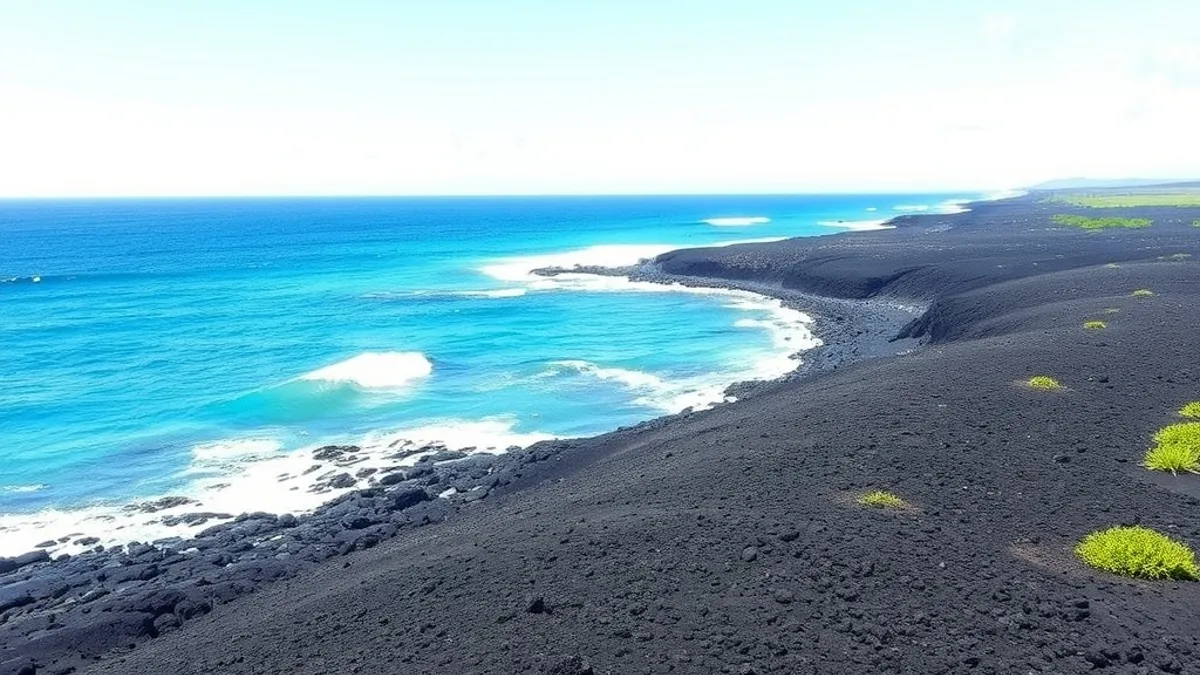
Maui leans toward polished beach resorts, with calm golden-sand stretches and a relaxed, upscale rhythm. Oahu mixes city energy with resort escapes, so you can split your days between sightseeing and lounging. The Big Island offers space and dramatic lava coastlines, where resorts sit on black rock landscapes under wide, sunny skies rather than lush greenery.
Why the island comes first
Think about what you actually want from the trip. If it’s quiet luxury, one island fits far better than another. If it’s dining variety and walkable streets, a different one wins. The resort zone within that island matters next, and only then the individual hotel. Use this Hawaii resort guide to match the island to your trip style before you fall in love with a lobby photo, and the rest of the planning gets much easier.
Maui: Wailea and Kaanapali Resort Zones
Maui’s resorts cluster in two main zones, and they suit noticeably different travelers. Wailea, on Maui’s south side, gathers luxury oceanfront resorts along a chain of golden-sand beaches. It’s the choice for a calm, upscale stay: manicured grounds, quiet mornings and beaches made for long, unhurried days. Kaanapali, on the west side, offers a classic walkable beachfront strip where you can stroll from resort to resort, with a wider mix of price points and easy sunset evenings by the water.
Both zones sit within reasonable reach of Maui’s other attractions, including the road to Hana and the upcountry farms, but the feel at your doorstep is what really sets them apart. Wailea tends to draw couples and travelers celebrating something, from honeymoons to milestone anniversaries. Kaanapali draws a broader mix, including families who like having shops, snack stands and restaurants right along the beach walk. Whichever zone you choose, rent a car for at least part of your stay, since some of the island’s best snorkeling and sightseeing lies outside both resort areas.
A few practical pointers
- Whale season bonus: from mid-December through March, humpback whales gather off Maui’s shores, and sightings from the beach or a balcony are common during those months.
- Peak-season trade-off: the same December-through-March window brings the year’s highest rates, so expect to pay well above shoulder-season prices for that whale-watching advantage.
- Zone choice by budget: if Wailea’s luxury pricing stretches your budget, Kaanapali’s mid-range options often deliver a similar beach experience at a friendlier cost.
- Evening rhythm: Kaanapali’s walkable strip makes sunset evenings simple, since you can wander out for dinner or drinks without getting in a car. Wailea is quieter after dark, which suits travelers who want their resort to be the whole evening plan.
Oahu: Waikiki Energy Versus Ko Olina Calm
Oahu is the island for travelers who want resort time and real-world Hawaii in the same trip. Nowhere is that clearer than in Waikiki, where resort towers rise behind a long city beach and put you steps from restaurants, shops and nightlife. You can spend the morning on the sand and the evening wandering streets full of food, music and people, all without a car.
Waikiki: the urban resort
Waikiki is the most urban resort zone in Hawaii, and that’s exactly its appeal. Sightseeing, dining and shopping sit at your doorstep, and the beach, though busy, stretches long enough that you can always find water time. If you want energy and variety, this is your zone.
Ko Olina: the calm alternative
Ko Olina, on the southwest coast, sits about 30–45 minutes from Honolulu and offers lagoon-front resorts built for families and slower days. The sheltered lagoons mean calm water for swimming with kids, and the pace is noticeably quieter than town. You trade walkable streets for space and stillness.
Choose Oahu when you want sightseeing and dining variety alongside your resort time, not a secluded beach bubble. If your dream trip involves total seclusion, another island will fit better, but few places combine a resort stay with this much to do nearby.
Big Island: Kohala Coast Resorts and Volcano Country
The Kohala Coast, northwest of Kona, is where nearly all of the Big Island’s resort development sits. This stretch of shoreline is one of the driest and sunniest zones in all of Hawaii, which means fewer of the passing showers you might get elsewhere and a strong case for pool days and beach afternoons.
Do not expect the lush, rain-fed greenery you picture when you think of tropical Hawaii. The Kohala Coast trades that for something more dramatic: black lava fields, wide open horizons and a rugged, almost desert-like beauty. The resorts have carved out green oases of palms and lawns within that landscape, and the snorkeling bays along this coast are among the best on the island.
The Big Island suits travelers who treat the resort as a base rather than the whole trip. Hawaii Volcanoes National Park sits on the other side of the island, roughly a 2–3 hour drive from the Kohala Coast resorts, so a volcano day trip means an early start and a long day on the road. If that sounds like your kind of adventure, this island rewards it.
- Snorkeling bays worth planning around: The coast’s protected coves offer calm, clear water where you can often see reef fish and sea turtles close to shore, making the resort zone itself a destination for water lovers.
- Two-sided island planning: Some travelers split their stay between the sunny Kohala Coast and the Hilo side near the park, trading beach time for rainforest scenery without the daily long drive.
- Space as a feature: Big Island resorts tend to spread across large grounds rather than stacking towers side by side, so even busy properties can feel uncrowded.
- Stargazing bonus: The dry, clear conditions that make the Kohala Coast sunny also help nighttime skies stay sharp, and the island’s high volcanic peaks are famous for astronomy.
When to Book: Seasons, Prices and Lead Times
Timing shapes both price and experience in Hawaii more than most travelers expect. The sweet spot for value is the shoulder season: April through May, and September through November. During these months you get lower rates, thinner crowds and weather that stays reliably warm and swimmable, with only a modest increase in the chance of rain.
Peak season runs from mid-December through March. Rates climb well above the shoulder-season norm, and the islands are at their busiest, especially around the holidays. There is one big reason to pay that premium: humpback whales gather off Maui’s shores during those months, and for many travelers that alone justifies the cost. If whale watching is not on your list, the shoulder months deliver a very similar experience for less.
What to budget per night
Standard resort rooms typically run $300–600 per night in shoulder season, depending on the island and the property’s position. Top oceanfront suites start from $800 and climb from there. Peak-season dates push standard rooms well above that range, so build your budget around the season you actually plan to travel, not the rate you saw in a springtime deal.
How far ahead to reserve
For peak-season stays, book 3–6 months ahead to protect both your choice of room and your price. For shoulder months, 1–3 months of lead time is usually enough, though booking earlier rarely hurts. Waiting until the last minute during peak season is the one strategy that consistently backfires: you may still find a room, but rarely the one you wanted at a rate you’ll enjoy paying.
Matching the Island to Your Travel Style
Once you know the basics, matching an island to your travel style becomes simple. Couples chasing quiet luxury should look first at Wailea on Maui or the Kohala Coast on the Big Island, where upscale resorts set a calm, polished tone. Families who want space, calm water and room to spread out fit naturally into Ko Olina on Oahu, with its sheltered lagoons and slower pace.
First-time visitors face a different question. If you want sightseeing, food variety and walkable streets alongside your resort time, start with Waikiki. It sits right in the middle of Honolulu, so restaurants, shops and nightlife all sit steps from your hotel door. Nature-focused travelers have their own map: whale watchers should aim for Maui between December and March, while divers and snorkelers find some of their strongest options on the Big Island.
And if a single choice feels impossible, remember that the islands are close. Interisland flights between the three take roughly 30–50 minutes, so splitting two islands in one trip is a realistic strategy rather than an ambitious one. Just keep an eye on your schedule: airport transfers and check-in times eat up more of a short hop than the flight itself.
- Honeymooners on a budget: Shoulder-season stays at Wailea or Kohala Coast properties let couples access the same quiet luxury zones at a fraction of peak-season pricing.
- Multigenerational groups: Ko Olina’s lagoon-front layout keeps grandparents, kids and swimmers of every skill level in the same calm water, which simplifies group logistics.
- Food-focused travelers: Waikiki’s density of restaurants and street-level dining means you can eat somewhere new every night without a car.
- Active travelers: The Big Island’s size and varied terrain reward visitors who want hiking, volcano scenery and snorkeling in a single itinerary.
- The split-stay approach: A common pattern pairs a beach-resort island like Maui with a sightseeing base like Oahu, using a short interisland hop in the middle.
The Quick Comparison at a Glance
The most common Hawaii booking mistake is falling for a resort photo before deciding which island actually fits the trip. Flip the order: pick the island first, then the resort zone within it, and only then compare individual properties. Each island sets a different tone, so this one decision shapes your price, scenery and pace more than any pool or lobby ever will.
Timing matters just as much as geography. The shoulder months of April–May and September–November bring lower rates and thinner crowds, while peak dates from mid-December through March reward travelers who book 3–6 months ahead. If a single island choice feels impossible, remember that interisland flights take roughly 30–50 minutes, so splitting two islands is a realistic option. Get the island right, then the zone, then the property, and the rest of the decision almost makes itself.