You want wild Highland scenery, but the thought of a wet tent and a sleeping bag on stony ground doesn’t exactly thrill you. That’s exactly where glamping in the Scottish Highlands comes in: real beds, solid walls and heating, all set within reach of lochs, glens and dark night skies. The catch is that the Highlands are big, the seasons matter, and not every pod or yurt suits every trip.
This guide walks you through the decisions that actually shape your stay. We’ll compare the main regions, from the Great Glen to Skye, break down pods versus yurts versus cabins, and explain which months bring the best mix of weather, prices and fewer midges. You’ll also find practical advice on how far ahead to book, how to get there, and a simple plan to pull it all together before you pay a deposit.
Why Glamping in the Scottish Highlands Beats Roughing It
The Highlands deliver some of the wildest scenery in Britain: steep-sided glens, lochs that stretch for miles, and ridgelines that catch the last light long after sunset. But the same landscape comes with weather that can turn fast. A clear morning can become a wet, blustery afternoon within an hour, and nights can be cold even in summer.
That’s precisely why glamping makes sense here. A solid roof, proper insulation, heating and a real bed mean a front that rolls in becomes atmosphere rather than misery. You still fall asleep to wind in the trees and rain on the roof, but you wake up warm and dry instead of packing a soaked tent at dawn.
Stay where hotels can’t reach
Glamping pods, yurts and cabins sit on small sites tucked deep into glens, at the edge of pine forest, or right beside a loch. Many of these spots are simply too remote or too small for a full hotel, which means you get the locations other travelers only drive past. You step out of your door straight into the landscape rather than commuting to it.
Site owners also know how to make the most of changeable evenings. Wood-fired hot tubs and firepits are common additions, so a drizzly dusk turns into one of the trip’s highlights: steam rising off the water, a fire crackling nearby, and nowhere you need to be. Check what each site offers before booking, as facilities vary, but these extras are a big part of why Highland glamping has taken off.
Best Regions for Glamping in the Scottish Highlands
The Highlands are enormous, and picking the right base matters more than picking one specific site. Each region has its own character, drive times and level of booking pressure, so match the area to what you actually want from the trip rather than following the crowd. A pod beside a quiet loch and a cabin under big mountains are two very different holidays, even if the photos on booking sites look similar. Think about how much driving you want to do each day, too, because that alone should shape your choice of region.
If you’re new to glamping and want a gentle introduction, Perthshire is a smart start. Its woodland sites and softer glens feel welcoming rather than intimidating, and you can be there within roughly 1.5-2 hours of Edinburgh, which makes it workable even for a first weekend trip. For a comparison of how lochside glamping feels in another country, this slow-travel lake glamping experience shows how similar settings work elsewhere in Europe.
- Loch Ness and the Great Glen: the easiest region logistically, with Inverness as your gateway town. Lochside pods and forest sites mean you can arrive, unpack and be walking to a loch view within minutes, ideal for short trips.
- Cairngorms National Park: Scotland’s largest national park, where cabins sit among Caledonian pine forest. On clear nights the dark skies make stargazing a genuine activity, so bring a blanket and check the moon phase.
- Skye and the west coast: the most dramatic mountain backdrops of the four, and the hardest to book. Demand is highest here, so reserve the furthest ahead and expect prices at the top of the range.
- Perthshire: beyond the easy drive from Edinburgh, the region’s gentler glens suit travelers who want forest walks and river valleys rather than rugged summits right outside the door.
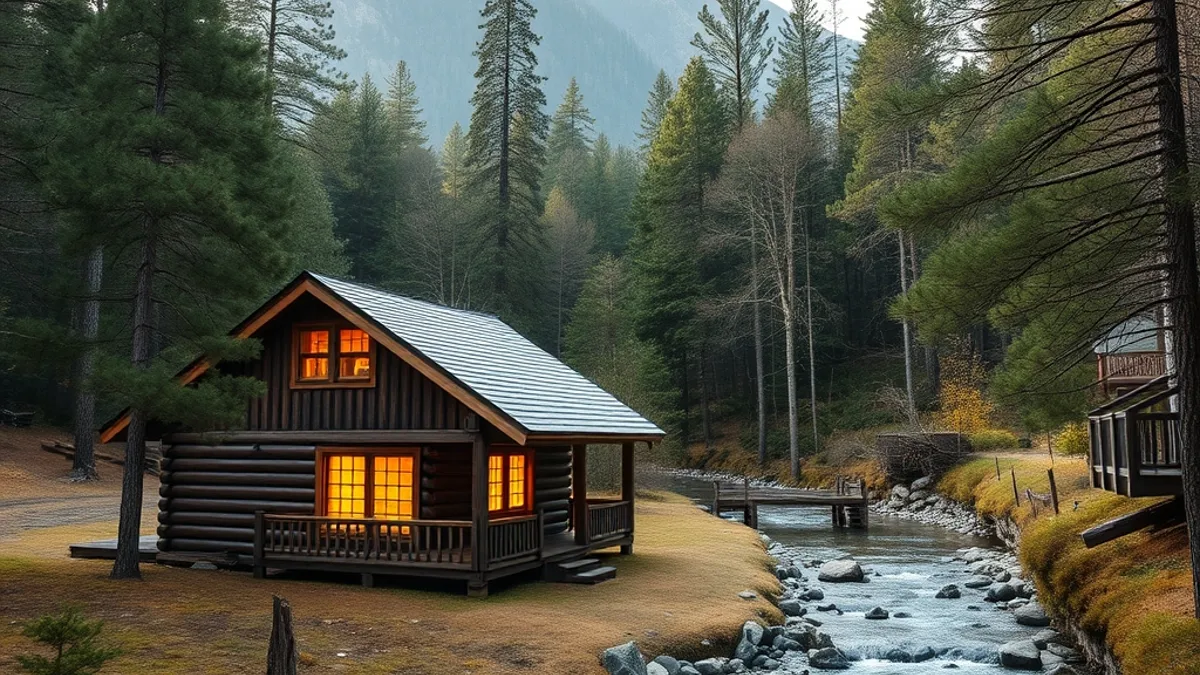
Choosing the Right Stay Type
Once you’ve picked a region, the stay type determines how comfortable your nights will be. The three main options behave very differently in Highland weather, so think about when you’re traveling before you fall for a photo. A yurt that looks dreamy in a June photo can feel very different on a wet October evening, and a basic pod that suits a two-night stopover may feel cramped after a week. Match the accommodation to both the season and the length of your trip, and you’ll avoid the most common glamping disappointments.
Glamping pods are the workhorse of the Highlands: insulated, weatherproof and compact, with heating that copes well when the temperature drops. If you’re traveling in the shoulder seasons of May or September, a pod is the safest bet. For a look at how lakeside glamping units are set up in practice, this review of a lakeside glamping site in Italy gives a useful sense of what to expect from cabin-style stays. Pods also tend to be the most widely available option across the popular regions, which helps when sites fill up quickly.
- Yurts and bell tents: the most atmospheric choice, with canvas walls, wood burners and round windows onto the view. Before booking, ask specifically about the heating setup and how exposed the site is to wind, since canvas loses heat quickly on a gusty night. They suit travelers who prioritize atmosphere over the driest, warmest night.
- Luxury cabins and bothy-style lodges: the best pick for stays of several nights or trips in the colder months, thanks to full insulation, proper kitchens and solid bathrooms. This comfort usually puts them at the upper end of the £90-£250 per night range for two people, so budget accordingly if you’re planning a longer stay.
- Pods, again, in context: many include a small kitchenette and en-suite bathroom, which matters when the nearest facilities block is a walk away in the rain. Ask for the exact layout before you book, since layouts vary widely between sites.
When to Go: Seasons, Midges and Daylight
Timing shapes a Highland glamping trip more than almost any other decision. The same lochside pod can feel magical in May and cramped in a wet March, so it pays to match your dates to what each season actually delivers.
The sweet spots: May and September
If you want the best all-round experience, aim for May or September. The weather is typically mild, the landscape is at its best, and rates often run 15-25% lower than peak summer prices. Just as importantly, the midge season has either not started or is winding down, so you can actually sit outside your pod in the evening without dousing yourself in repellent. For most travelers, these two months offer the strongest balance of comfort, cost and calm.
Summer: long light, short tempers
June to August is peak season, and it is easy to see why. Daylight stretches to 16-18 hours, so you can hike late and still cook dinner outside in full light. The trade-offs are real, though: prices hit their highest point, sites book up months in advance, and midges are at their worst, especially in damp, still conditions near water and woodland. If summer is the only time you can travel, pack a head net and book early.
From October to April, many glamping sites close entirely or scale back their facilities. If you want a winter escape, choose a heated pod or cabin that explicitly offers year-round amenities, and confirm what is actually open before you commit. A solid, insulated structure with proper heating turns cold months into a cozy advantage rather than an endurance test.
Booking Strategy and Lead Times
Highland glamping has grown fast, and the best sites — especially lochside pods and anything with a view of the Cuillin — no longer sit empty waiting for late bookers. The most sought-after spots can be reserved a full season ahead by returning guests, so first-timers need a plan. A little planning goes a long way, and the process is simple if you work through it in order. Here is how I approach it after years of booking Highland stays.
- Choose your region and travel window first. Decide whether you want the Great Glen, the Cairngorms, Skye or Perthshire before you look at individual sites, and settle on rough dates. This keeps your search focused and stops you falling for a beautiful pod in the wrong part of the Highlands.
- Book 4-6 months ahead for summer dates. June to August availability, particularly on Skye and the west coast, disappears early. Reserving in that window gives you real choice over site, view and stay type instead of whatever is left.
- Use the shoulder season for flexibility. May and September trips typically need only 2-3 months’ notice, and midweek stays are noticeably easier to secure than weekend slots. If your dates are flexible, midweek in the shoulder season is the easiest booking of all.
- Ask the right questions before paying. Message the site directly and confirm heating, hot water and midge screens in writing. What counts as “heated” on a listing can range from proper insulation and a heater to a plug-in blanket, so get specifics before your deposit leaves your account.
- Check the cancellation terms. Highland weather occasionally disrupts travel plans, so read the site’s cancellation and rebooking policy before you commit, and consider whether flexible terms are worth a slightly higher rate.
One extra tip worth building into your plan: keep a shortlist of two or three sites in your chosen region rather than pinning everything on one. If your first choice is full, a backup saves you a frantic evening of scrolling and settling for somewhere with no view at all. Signing up for a site’s newsletter or following it on social media can also pay off, as cancellations and new openings are often announced there before they appear on booking platforms.
Once your deposit is paid and the practical details are confirmed in writing, you can stop worrying about logistics and start planning the fun part: which glen to walk, which lochside firepit to claim, and how early you need to get up to watch the mist lift off the water.
Getting There and Getting Around
Most travelers reach the Highlands through Edinburgh or Glasgow, both of which have airports and mainline rail connections. From either city, it is typically a 2.5-3 hour drive to reach Inverness and the Great Glen, which makes Inverness the practical hub for the region. Some train services also run north, but for glamping specifically, the last stretch of the journey is almost always by road.
Why you need a car
A car is essential for most Highland glamping sites. Public transport rarely reaches the remote glens and lochside locations where the best pods and yurts sit, and even sites that look close to a town can involve winding country lanes with no bus service. Hiring a car at the airport is the straightforward option, and it gives you the freedom to pick up groceries, firewood and midge repellent on the way in.
Base yourself, don’t tour
It is tempting to plan a route that hops between several regions, but distances that look short on the map take far longer than expected. Single-track roads, passing places, tractors and photo stops slow everything down, and a “one-hour” leg can easily become an afternoon. Choosing one region and staying put means more time enjoying your hot tub and less time watching the road.
If you do want variety, pick a single base with day trips in reach rather than moving between sites. A cabin in one glen with three or four walks, a loch and a village pub nearby will give you a richer trip than a rushed circuit of the whole Highlands.
Your Highland Glamping Plan in Brief
Glamping in the Scottish Highlands solves a simple problem: you want wild scenery and starry nights without shivering in a tent when the weather turns. The trick is choosing well before you book. Pick a region first — the Great Glen for convenience, the Cairngorms for pine forests and dark skies, Skye for drama, and Perthshire for an easy first trip. Then match your stay type to the season: insulated pods for shoulder months, a heated cabin if you’re going in the colder half of the year.
Timing does the rest. May and September give you the best mix of mild weather, rates that can run 15-25% below peak summer, and far fewer midges. For June to August, book 4-6 months out, get heating and amenities confirmed in writing, and plan your trip around a car. If this helped you plan your Highland escape, leave a comment or share the article with a fellow traveler.